
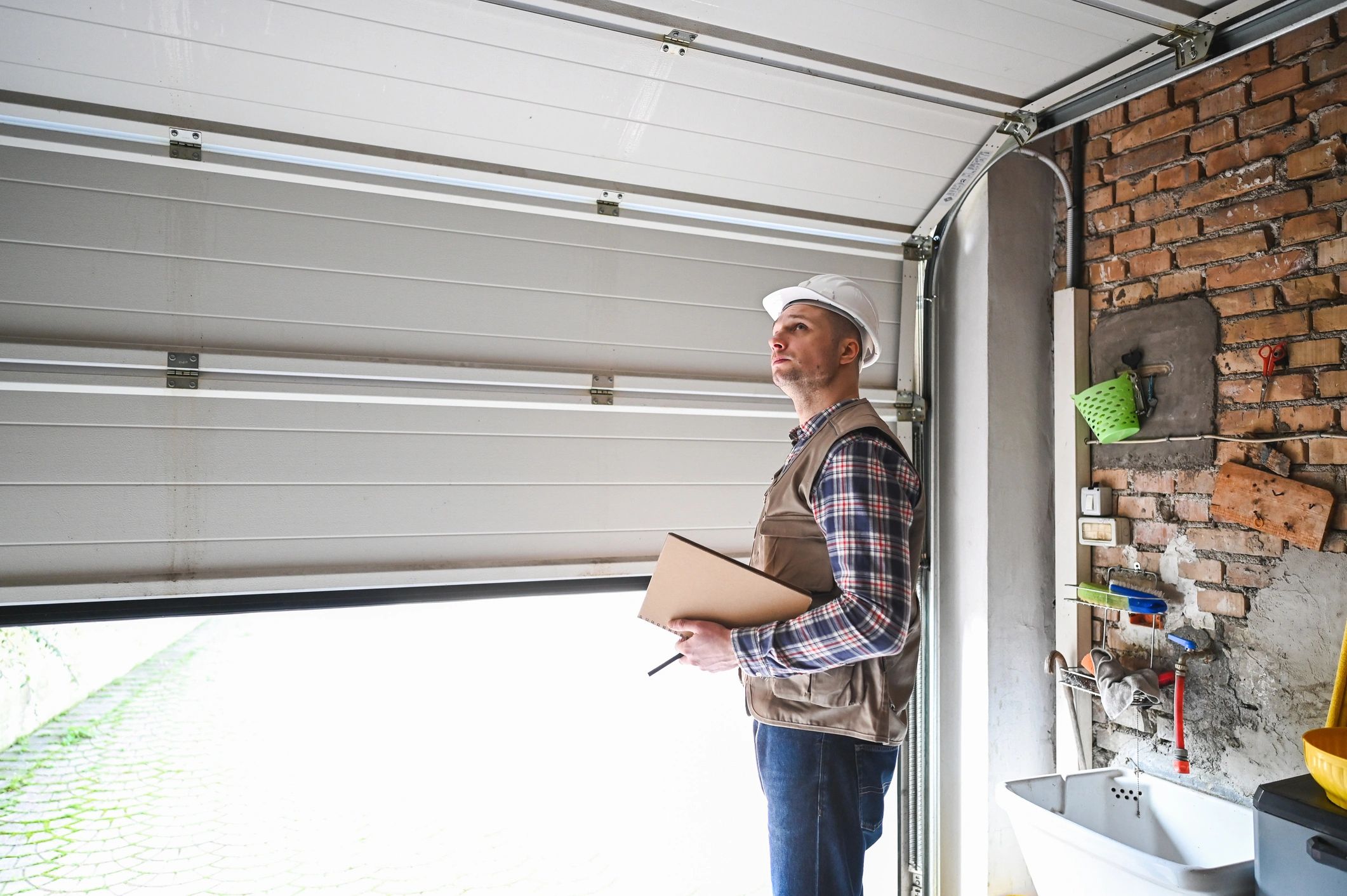
Why Your Garage Door Won’t Close: What You Need to Know
In Troy, MI, changing weather and frequent use can take a toll on garage door systems, leading to frustrating issues like a door that won’t close properly. This common problem affects homeowners year-round and often stems from a few predictable causes. Whether it’s a sudden malfunction or a gradual decline in performance, understanding the root issues can save time, prevent security risks, and avoid costly repairs down the line.
Most closure problems trace back to safety sensors, track alignment, remote programming, or worn mechanical components. Temperature shifts common in Metro Detroit can cause metal parts to expand or contract, impacting system calibration. Dirt, debris, and misaligned safety beams are also frequent culprits—especially in garages exposed to dust, leaves, or snow.
In this guide, you’ll learn how to identify warning signs, troubleshoot basic issues, and determine when professional inspection is necessary. From checking sensor alignment to evaluating spring tension, you’ll gain practical insights to keep your garage door operating safely and efficiently in Troy’s unique climate. Let’s explore what’s really behind that door that won’t shut—and what you can do about it.
Top 5 Mechanical and Electrical Reasons Your Garage Door Won’t Close
A garage door that won’t close properly can be more than a nuisance—it’s a safety and security concern, especially for homeowners in Troy, MI dealing with variable weather and seasonal shifts. Understanding the most common mechanical and electrical issues can help you troubleshoot effectively and determine when professional intervention is needed.
- Misaligned or Dirty Safety Sensors Garage doors are equipped with safety sensors near the base of each side of the track. If these lenses are dirty or even slightly out of alignment, the beam between them breaks, and the door won’t close. Wipe the lenses with a soft cloth and ensure they face each other directly—this simple fix resolves many non-closing issues.
- Obstructed or Damaged Tracks Dents, debris, or misalignment in the vertical or horizontal tracks disrupt smooth movement. Even minor bends can prevent the rollers from moving freely, causing the door to stall. Inspect for obstructions and signs of impact damage, especially after accidental bumps from tools or vehicles.
- Worn or Broken Torsion or Extension Springs Springs endure significant tension and can weaken or snap over time. A worn spring throws off the door’s balance, forcing the motor to strain. If the door won’t lower smoothly or slams shut, suspect spring wear—this is a hazardous component, so avoid DIY repairs.
- Malfunctioning Limit Switches or Opener Calibration The limit switches inside the opener unit control how far the door opens and closes. If they’re improperly set or fail, the door may reverse prematurely. Adjusting these settings can often restore proper function, but consult your opener’s manual carefully.
- Loose Drive Gear or Worn Opener Motor Components Inside the opener, a worn drive gear (often made of nylon) or faulty logic board can prevent the door from completing its cycle. Grinding noises or intermittent operation signal internal wear—these electrical issues typically require professional diagnosis and parts replacement.
Step-by-Step Guide to Diagnosing a Garage Door That Won’t Close
When your garage door refuses to close, it can create safety concerns and disrupt daily routines—especially in areas like Troy, MI, where weather changes and frequent use strain system components. Before calling for professional assistance, try this systematic troubleshooting process to identify and resolve common issues.
- Check for Obstructions Run a visual sweep along the garage door’s path. Even small objects beneath the door can trigger safety sensors, preventing closure. Remove any debris or clutter and ensure the floor track is clear.
- Inspect Safety Sensors Locate the sensor units near the base of each vertical track. Verify the LED lights are illuminated and aligned. If one is blinking or off, clean the lens with a soft cloth and adjust the angle until both sensors face each other directly.
- Test the Reverse Mechanism Place a rolled-up towel in the door’s path and attempt to close it. The door should reverse upon contact. If it doesn’t, the sensors may be faulty or improperly wired—further inspection is needed.
- Examine Remote and Wall Button Functionality Try closing the door using both the wall-mounted control and a remote. If only one works, replace remote batteries or check for signal interference.
- Review Track and Roller Condition Look for bent tracks or visibly worn rollers. Misaligned hardware can bind the door, causing the motor to shut off. Gently realign tracks using a wrench if safe to do so.
- Manually Operate the Door Disconnect the opener using the red release cord. Lift and lower the door by hand. If it feels heavy or sticks, the issue may involve springs or cables—contact a technician immediately.
Regular checks like these can catch minor problems before they escalate, keeping your garage door in reliable working order year-round.
When to Call a Professional Technician in Troy, MI
Ignoring persistent garage door issues can compromise home security and lead to costlier repairs down the line. While routine maintenance handles minor glitches, certain red flags demand immediate attention from a certified technician—especially in areas like Troy, MI, where temperature swings and humidity contribute to mechanical wear. If your garage door reverses without reason, fails to respond to the remote, or only operates when you hold the wall button, these are strong indicators of sensor misalignment or electrical faults best diagnosed by a trained expert. Similarly, loud grinding noises, sagging panels, or uneven lifting suggest problems with torsion springs, rollers, or track alignment—components under high tension that pose serious safety risks if improperly handled. Homeowners should never attempt to repair or replace springs themselves due to the potential for injury. Additionally, if your door jerks during operation or stops midway, a technician can assess motor calibration, gear integrity, and limit settings with specialized tools. Since garage doors are a complex balance of mechanical and electrical systems, professional intervention ensures accurate diagnostics, proper part replacement, and compliance with local safety codes. Scheduling expert service not only restores functionality but also extends the lifespan of your system, keeping your household protected year-round.
Frequently Asked Questions About Garage Door Sensors, Openers & Weather in Southeast Michigan
If your garage door won’t close in Troy, MI, it’s often due to environmental factors, sensor issues, or mechanical wear common in Southeast Michigan’s climate. Here are common questions homeowners ask when troubleshooting:
Why won’t my garage door close even though it seems to be moving correctly? Most likely, the safety sensors are misaligned or obstructed. These infrared sensors, located near the base of the tracks, must have a clear line of sight. Even small debris, snow buildup, or vibration from frequent use can knock them out of sync, preventing the door from closing for safety reasons.
How do I test and realign my garage door sensors? First, check the LED lights on each sensor. A solid green light typically means proper alignment; a flickering or red light indicates an issue. Clean the sensor lenses with a soft cloth, then gently adjust the bracket on the problematic side until both lights shine steadily.
Can cold weather in Troy affect my garage door opener? Absolutely. Winter temperatures cause metal components to contract, track rollers to stiffen, and lubricants to thicken. This increases resistance, prompting the opener to reverse as a safety response. Regular lubrication with a silicone-based spray designed for cold climates helps maintain smooth operation.
What should I do if my garage door reverses immediately after starting to close? This is usually due to excessive force settings or sensor interference. Check for ice or snow along the track and inspect the sensors. If clean and aligned, the opener’s force setting may need adjustment—refer to your owner’s manual for model-specific guidance.
Are garage door issues more common in Southeast Michigan during seasonal changes? Yes. The freeze-thaw cycle, high humidity, and frequent storms contribute to rust, warping, and sensor misfires. Scheduling a bi-annual inspection—especially before winter and spring—helps catch issues early and ensures reliable performance year-round.
Stay Ahead of the Problem: Protect Your Home with Proactive Garage Door Care
A garage door that won’t close properly in Troy, MI isn’t just an inconvenience—it’s a red flag signaling underlying mechanical or safety-related issues. From frozen tracks in winter to misaligned sensors during humid summer months, environmental conditions common in the region can accelerate wear and compromise system performance. The root causes often stem from neglected maintenance, including worn rollers, imbalanced springs, and sensor interference that disrupt smooth operation. Regular inspection and lubrication go a long way, but true reliability comes from understanding your system’s behavior and catching early warning signs like grinding noises, sluggish movement, or automatic reversal.
To safeguard both function and safety, implement these key actions:
- Schedule biannual tune-ups to assess spring tension, cable integrity, and track alignment
- Clean and test safety sensors monthly, especially after storms or temperature swings
- Replace damaged rollers or hinges promptly to prevent strain on the opener
- Monitor weather sealing condition to maintain energy efficiency and debris resistance
Don’t wait for a complete failure—proactive care prevents emergencies and extends equipment life. When in doubt, professional diagnostics ensure precision adjustments and compliance with safety standards. Stay confident in your garage door’s performance by prioritizing consistent, informed maintenance tailored to Michigan’s climate challenges.