
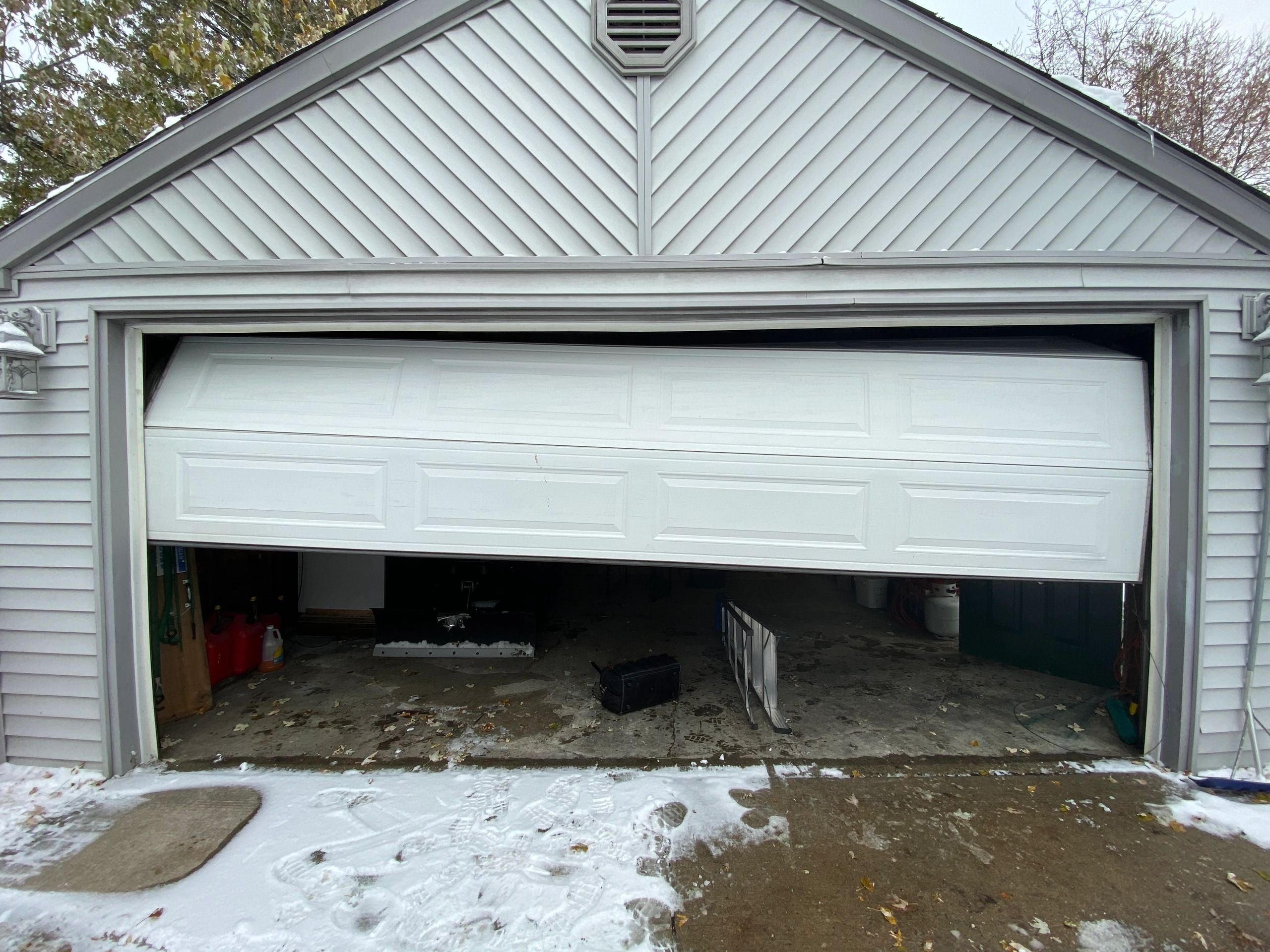
A garage door that starts to close, stops halfway, or reverses back up can be incredibly frustrating—especially when you’re trying to leave for work or secure your home for the night. Many homeowners assume the door or opener is simply “acting up,” but in reality, this behavior is almost always intentional. Modern garage doors are designed to stop or reverse when something isn’t right, and forcing the door to close can turn a small issue into an expensive repair.
Understanding why a garage door won’t close all the way helps homeowners avoid damage, stay safe, and know when it’s time to call a professional garage door repair service.
How Modern Garage Doors Decide When to Stop
Today’s garage door systems rely on multiple safety and logic-based mechanisms to determine whether the door should continue closing. These systems are constantly monitoring for obstructions, resistance, and alignment issues. When the door senses something out of the ordinary, it is programmed to stop or reverse rather than push through the problem.
This design protects people, pets, vehicles, and the garage door system itself. When a garage door refuses to close fully, it is usually responding to a detected issue—not malfunctioning without reason.
Garage Door Safety Sensors and Closing Failures
One of the most common reasons a garage door won’t close all the way is a problem with the safety sensors. These photo-eye sensors are installed near the bottom of the door tracks and send an invisible beam across the garage opening. If the beam is interrupted, the garage door opener will not allow the door to close.
Even small obstructions like debris, leaves, or storage items can break the beam. Sensor misalignment is another frequent cause. A slight bump from a broom, trash can, or bicycle can shift a sensor just enough to disrupt the signal. Dirt, moisture, or direct sunlight hitting the sensor lens can also interfere with proper operation.
When sensors are involved, the door may start to close and then immediately reverse. Forcing the door closed in this situation can damage the opener, bend the tracks, or disable critical safety features.
Force and Travel Limit Issues
If the safety sensors are clear and aligned, the problem may lie in the garage door opener’s force or travel limit settings. These settings control how much resistance the opener tolerates and how far the door is allowed to move in each direction.
When force settings are too low, the opener may interpret normal door movement as resistance and reverse prematurely. Travel limit issues can cause the opener to think the door has reached the ground before it actually has, leading to incomplete closure.
These problems are especially common after a power outage, opener replacement, or door repair. While adjustments may seem simple, incorrect settings can create safety hazards or strain the garage door system.
Track, Roller, and Alignment Problems
Mechanical resistance is another major reason a garage door won’t close all the way. Garage door tracks must remain properly aligned and free of obstructions for smooth operation. Even a small bend or shift in the track can cause the door to bind as it closes.
Worn or damaged rollers can also increase friction, making the opener work harder than it should. When the opener detects this added resistance, it may reverse the door as a protective measure.
In some cases, the door may close partway and then stop without reversing. This usually indicates growing mechanical resistance that will worsen over time if not addressed.
Weather and Environmental Factors
Temperature changes can significantly affect garage door performance. Cold weather can cause metal components to contract, increasing friction in the system. Lubricants can thicken in freezing temperatures, making it harder for rollers and hinges to move freely.
Humidity and moisture can also affect sensors, tracks, and wiring. In garages that are not climate-controlled, seasonal changes often trigger intermittent closing issues that seem to come and go.
While weather-related problems may appear temporary, repeated strain on the opener and door components can lead to long-term damage if ignored.
Why Forcing the Garage Door Is a Bad Idea
When a garage door won’t close, many homeowners attempt to force it by holding the wall button, pulling the emergency release, or pushing the door down manually. While this may close the door temporarily, it bypasses the system’s built-in protections.
Forcing a garage door can damage the opener gears, stretch or snap cables, and overload garage door springs. It can also throw the door out of balance, creating a serious safety hazard. In some cases, forcing the door can cause it to slam shut unexpectedly or come off track.
Modern garage doors are designed to stop when something is wrong. Ignoring that warning often turns a minor issue into a costly repair.
When a Door Closes Partway and Reopens
A garage door that closes halfway and then reopens is almost always responding to resistance or a sensor issue. This behavior is a clear signal that the system has detected something unsafe or abnormal.
Repeatedly cycling the door in this condition places unnecessary strain on the opener and moving parts. Over time, this can lead to broken springs, damaged cables, or a burned-out opener motor.
Addressing the underlying cause early can prevent these cascading failures and extend the life of the entire system.
DIY Checks Homeowners Can Safely Perform
Homeowners can safely check a few basic things before calling for professional garage door repair. Clearing debris from the garage door tracks and floor is a good starting point. Gently cleaning the safety sensor lenses and confirming they are facing each other can also resolve simple issues.
Visually inspecting the tracks for obvious bends or obstructions can provide clues. However, adjustments should be limited to minor cleaning and observation. Any attempt to adjust springs, cables, or opener force settings without proper training can be dangerous.
When to Call a Garage Door Professional
If the garage door continues to refuse closure after basic checks, professional service is the safest and most effective solution. A trained technician can accurately diagnose sensor problems, mechanical resistance, opener settings, or electrical issues.
Professional garage door repair ensures the system is restored without compromising safety. It also prevents small issues from escalating into major repairs that could leave the door inoperable.
Don’t Ignore the Warning Signs
A garage door that won’t close all the way is not an inconvenience—it’s a warning. The system is alerting you that something needs attention. Listening to that warning protects your home, your belongings, and everyone who uses the garage.
By understanding why garage doors behave this way and avoiding the temptation to force them, homeowners can save money, avoid injury, and ensure their garage door continues to operate safely and reliably.