
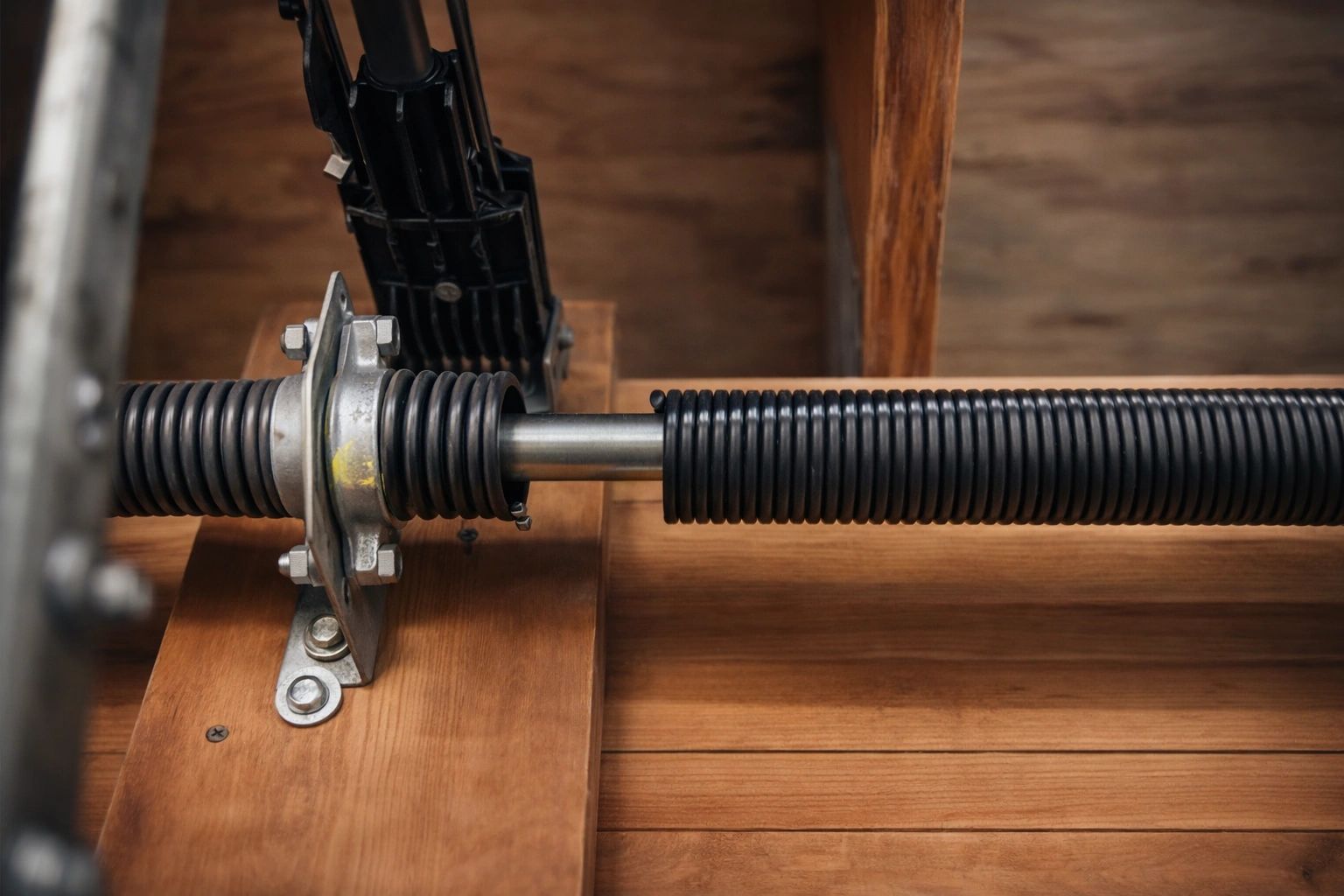
The Frustration of Repeated Spring Failures
There’s nothing more frustrating than replacing your garage door spring, only to have it break again a short time later. For many homeowners in Troy, MI, this becomes a recurring issue that feels like a never-ending cycle.
The truth is, springs don’t just fail randomly over and over again. When you see repeated breakage, there is always an underlying reason. It could be the type of spring being used, the way the door is balanced, or even environmental factors that are slowly wearing the system down.
Understanding why this keeps happening is the first step to putting an end to it.
The Role of Cycle Life and Daily Usage
Every garage door spring is rated for a certain number of cycles. One cycle is a full open and close. If a spring is rated for 10,000 cycles and you use your garage four times a day, you can do the math. That spring will wear out faster than expected.
Many homes in Troy rely heavily on the garage as the main entrance. This increases daily usage and accelerates wear on standard springs.
If you’re replacing springs with the same low-cycle rating each time, you’re essentially setting yourself up for the same problem again. Upgrading to high-cycle springs can dramatically extend the lifespan and reduce the frequency of failures.
Improper Spring Sizing and Installation
One of the biggest reasons springs fail prematurely is improper sizing. If the spring is not correctly matched to the weight and size of the door, it won’t perform the way it should.
A spring that is too weak will be under constant strain. A spring that is too strong will cause imbalance and stress other components. Either way, the system is not operating efficiently.
Installation also plays a major role. Springs must be wound to the correct tension. Too much tension increases stress. Too little tension causes the door to feel heavy and puts strain on the opener.
This is where experience makes a difference. Proper measurements, correct spring selection, and precise installation are critical to long-term performance.
Environmental Factors in Troy That Affect Spring Lifespan
Michigan weather is not gentle on garage door systems. The constant change between cold winters and humid summers causes metal components to expand and contract repeatedly.
This thermal stress weakens the steel over time. Rust and corrosion can also develop, especially if the springs are not properly maintained.
Salt from winter conditions can accelerate corrosion as well. While springs are built to be durable, these environmental factors gradually reduce their lifespan.
Regular maintenance and lubrication can help slow this process, but it cannot be ignored.
The Impact of Poor Door Balance
A properly balanced garage door should stay in place when lifted halfway. If it drops or shoots up, the balance is off. This imbalance puts additional strain on the springs every time the door moves.
When a door is not balanced correctly, the springs are forced to compensate for that imbalance. Over time, this leads to increased wear and eventual failure.
Balance issues can come from multiple sources, including worn components, incorrect spring tension, or even structural shifts in the door itself.
Addressing balance is not just about comfort. It directly affects the lifespan of your springs.
Why Replacing Just One Spring Is a Mistake
Many homeowners try to save money by replacing only the broken spring. While this might seem logical, it often leads to another failure shortly after.
Garage doors that use two springs rely on both working together. When one breaks, the other has already been under the same amount of stress and is likely near the end of its lifespan.
Replacing both springs at the same time ensures even performance and prevents another service call in the near future.
The Hidden Damage That Leads to Repeat Failures
Sometimes the issue isn’t just the spring itself. Worn cables, misaligned tracks, or failing bearings can all contribute to increased stress on the springs.
If these underlying issues are not addressed during the repair, the new springs will be forced to operate under the same conditions that caused the previous failure.
This is why a thorough inspection is essential. Fixing the symptom without addressing the cause leads to repeat problems.
How to Break the Cycle for Good
Stopping the cycle of repeated spring failures requires a different approach. It’s not just about replacing what broke. It’s about improving the entire system.
This includes upgrading to high-cycle springs, ensuring proper balance, addressing any worn components, and maintaining the system regularly.
When done correctly, a spring replacement should last for years, not months.
What Troy Homeowners Should Expect From a Professional Repair
A proper repair should feel like a reset for your garage door system. The door should operate smoothly, quietly, and without strain. The opener should not be working harder than necessary.
You should also have confidence that the springs installed are designed to last, not just meet the minimum requirement.
In Troy, homeowners value reliability. They want solutions that hold up over time, not quick fixes that lead to more problems.
Final Thoughts: Fix the Root Cause, Not Just the Symptom
If your garage door springs keep breaking, it’s not bad luck. It’s a sign that something deeper is going on.
The key is to stop treating each failure as a one-time event and start looking at the system as a whole. When the root cause is addressed, the cycle stops.
A well-balanced door, properly sized high-cycle springs, and a complete system check make all the difference. It’s the difference between constant frustration and long-term peace of mind.