
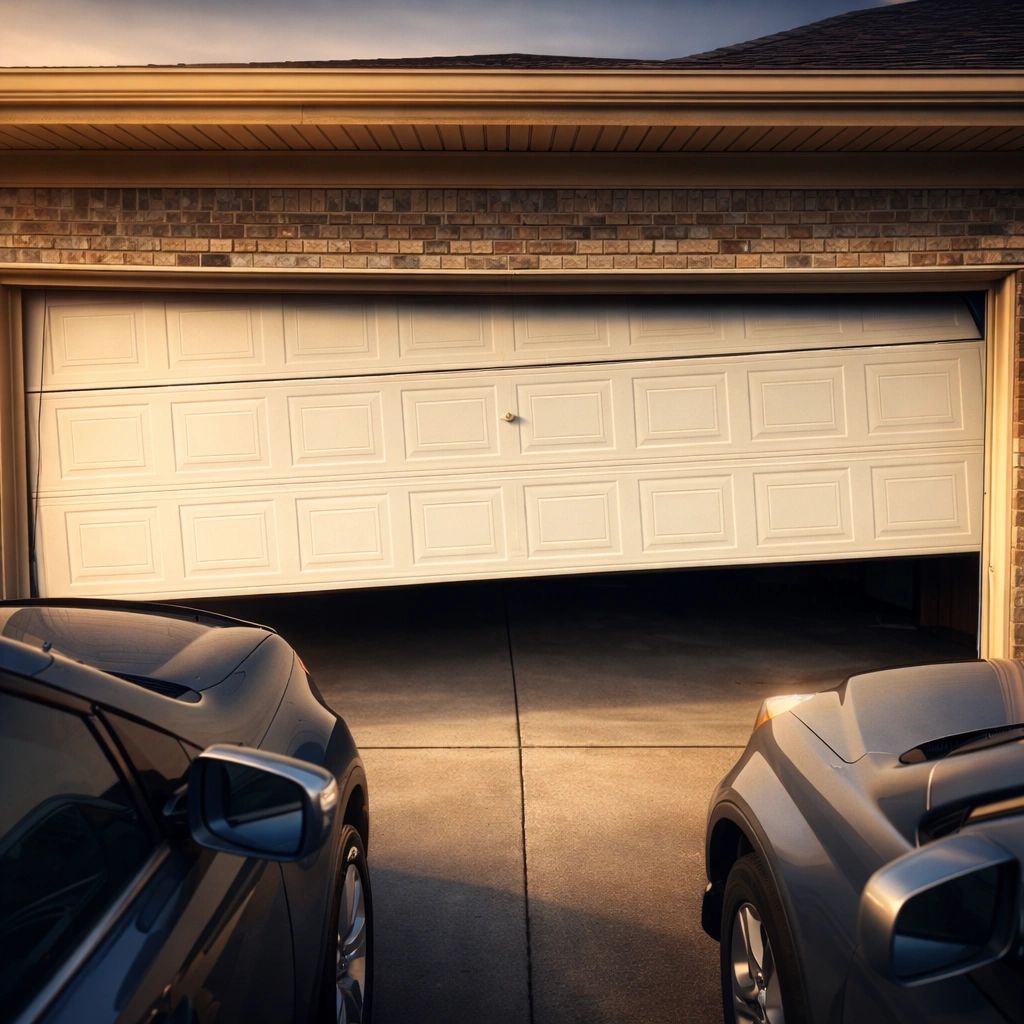
Garage doors rarely fail without warning. In most cases, serious breakdowns are the result of small, easily overlooked issues that slowly damage the system over time. These silent garage door killers often go unnoticed by homeowners until the door suddenly stops working, becomes unsafe, or requires costly emergency repairs.
Understanding these hidden problems can help homeowners protect their garage door system, extend its lifespan, and avoid unnecessary expenses.
Why Garage Door Problems Rarely Start Big
A garage door is a complex system made up of springs, cables, rollers, tracks, hinges, and an opener working together in balance. When one component begins to wear or malfunction, it places added stress on the others. Over time, that stress compounds, turning minor issues into major failures.
Because many of these problems develop gradually, homeowners often adapt to changes without realizing something is wrong. A door that becomes slightly noisier or slower may still function, but those changes are often early warning signs of deeper issues.
Dry or Worn Rollers That Strain the System
Garage door rollers are designed to move smoothly along the tracks with minimal resistance. When rollers become dry, cracked, or worn, friction increases. This added resistance forces the opener to work harder and places extra tension on the springs and cables.
Metal rollers without proper lubrication can grind against the track, accelerating wear. Nylon rollers, while quieter, can crack or flatten over time. In both cases, neglected rollers silently shorten the lifespan of the entire garage door system.
Track Misalignment and Subtle Damage
Garage door tracks must remain perfectly aligned to guide the door safely and evenly. Even a slight shift caused by vibration, accidental impact, or foundation movement can disrupt door travel.
Misaligned tracks often cause the door to rub, bind, or hesitate while opening and closing. This resistance may not stop the door immediately, but it increases strain on the opener and hardware. Left uncorrected, track issues can lead to off-track doors, cable damage, or opener failure.
Loose Hardware That Slowly Destroys Balance
Every time a garage door opens or closes, it vibrates. Over time, bolts, brackets, and hinges can loosen. When hardware loosens, the door’s weight distribution becomes uneven.
An unbalanced door forces springs and cables to compensate unevenly, accelerating wear. Hinges under stress can crack, rollers can tilt, and panels can warp. These issues often develop quietly until a sudden failure brings the entire system to a halt.
Frayed Cables and Uneven Tension
Garage door cables carry enormous tension and play a critical role in lifting and lowering the door evenly. When cables begin to fray or stretch, the door may lift unevenly or feel heavier on one side.
This imbalance places extra strain on springs and the opener. In many cases, homeowners don’t notice cable damage until a cable snaps, causing the door to jam or fall out of alignment. Cable issues are one of the most dangerous silent problems because failure can happen without warning.
Neglected Lubrication and Increased Friction
Garage doors rely on proper lubrication to function smoothly. Hinges, rollers, bearings, and springs all require periodic lubrication to reduce friction and prevent corrosion.
Without lubrication, metal components grind against each other, increasing resistance and wear. Over time, this friction weakens parts that would otherwise last for years. Many expensive repairs begin with nothing more than a lack of routine maintenance.
Opener Strain from Small Mechanical Issues
Garage door openers are designed to move balanced doors with minimal resistance. When mechanical components begin to fail, the opener absorbs the extra workload.
Strained openers may still function, but motors overheat, gears wear down, and electronic components degrade faster. What starts as a minor mechanical issue can end with a full garage door opener replacement.
Weather Damage That Builds Over Time
Temperature fluctuations, humidity, and moisture all impact garage door systems. Cold weather can stiffen lubricants and increase resistance. Heat can expand metal components and alter alignment. Moisture can corrode springs, cables, and hardware.
These environmental effects rarely cause immediate failure, but they contribute to gradual deterioration. Seasonal issues often go unnoticed until multiple components fail simultaneously.
Why Ignoring Small Problems Costs More
Many homeowners delay garage door service because the door still “works.” Unfortunately, silent garage door problems rarely fix themselves. Small issues continue to worsen, often damaging multiple components at once.
Addressing problems early is significantly more affordable than emergency repairs. Preventative maintenance can catch issues before they lead to broken springs, snapped cables, or burned-out openers.
When Professional Inspection Makes Sense
A professional garage door inspection can identify hidden issues that homeowners may not see. Technicians are trained to recognize subtle signs of wear, imbalance, and stress before they become serious problems.
Routine inspections and maintenance help ensure the door operates safely, quietly, and efficiently. More importantly, they prevent unexpected breakdowns that leave homes unsecured or vehicles trapped inside.
Protecting Your Garage Door Investment
A garage door is a major investment and a critical part of home security. Paying attention to small changes in noise, movement, or performance can prevent costly repairs and dangerous failures.
The most expensive garage door repairs often begin as silent, easily fixable issues. Addressing them early protects your home, your safety, and your wallet.