
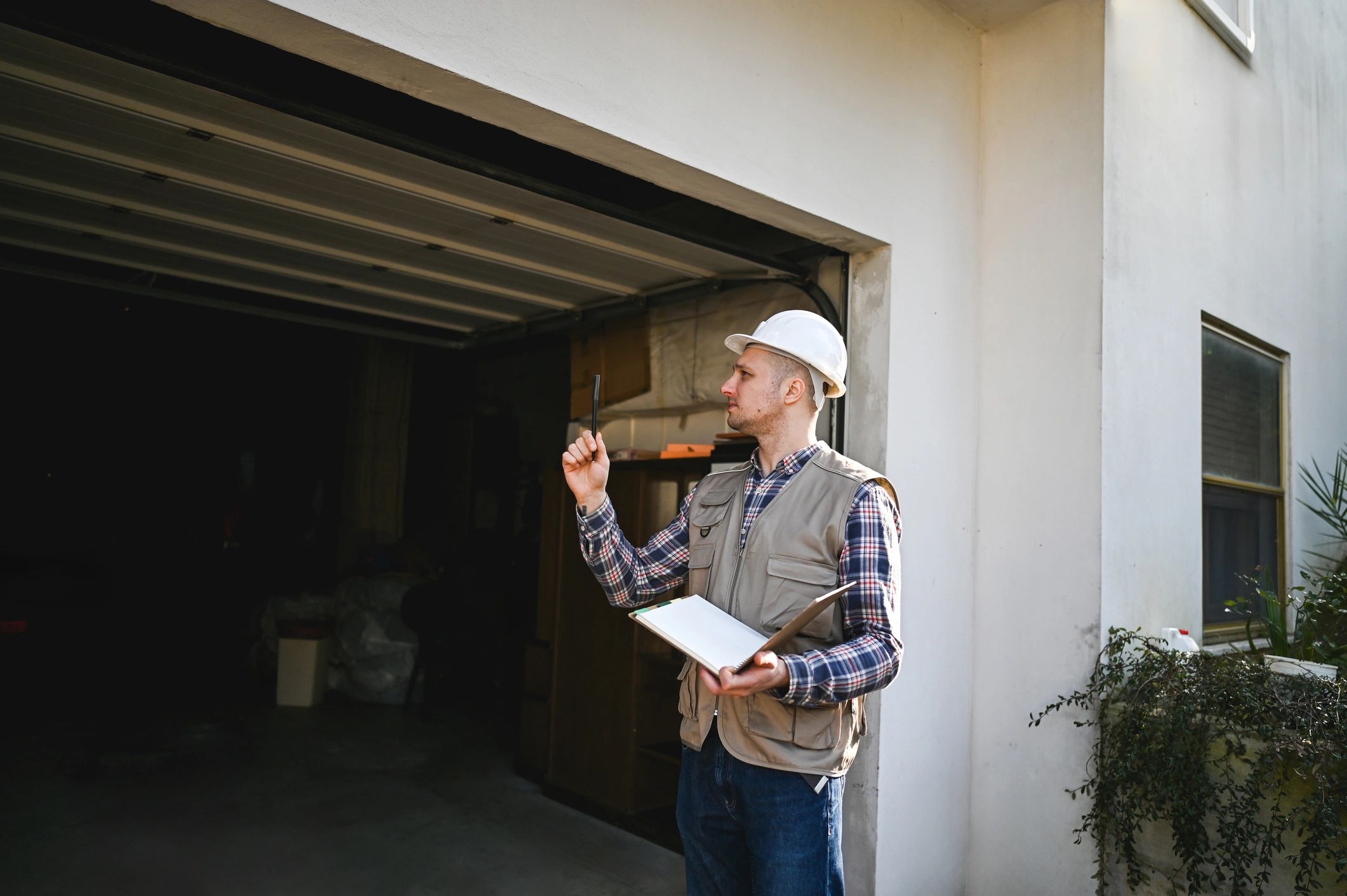
The Hidden Warning Signs of Garage Door Trouble You Can’t Afford to Ignore
Every year, countless homeowners across Michigan overlook subtle but critical signs that their garage door is nearing a breakdown. A slow-closing panel, an unusual grinding noise, or a door that reverses before touching the ground aren’t just annoyances—they’re urgent signals that something is wrong. Garage doors are complex systems of springs, cables, rollers, and openers, all working together under high tension. When one component fails, it can compromise the entire system, leading to safety hazards or expensive emergency repairs.
Understanding common issues like worn torsion springs, misaligned tracks, frayed cables, or malfunctioning sensors empowers you to catch problems early. Routine inspection and maintenance aren’t just about convenience—they extend the lifespan of your garage door and keep your home secure. In this guide, you’ll learn how to identify the top problems plaguing residential garage doors, recognize what causes them, and discover practical steps to address or prevent them.
From unbalanced doors to opener failures, we’ll break down what each symptom means and how to respond—whether it’s a simple DIY fix or a call to a qualified technician. Stay ahead of costly downtime by knowing what to watch for before winter sets in or your door refuses to open during a morning rush.
Recognizing and Addressing Common Garage Door Problems
Garage doors are complex systems that combine mechanical, electrical, and structural components—making them prone to a range of issues over time. Homeowners in Troy and surrounding Michigan areas often encounter recurring problems that affect functionality, safety, and energy efficiency. Understanding these frequent malfunctions empowers you to take timely action before minor concerns escalate into costly repairs.
One of the most common issues is a broken torsion or extension spring, which can cause the door to operate unevenly or not at all. These high-tension components wear out after thousands of cycles and typically last 7 to 10 years. Misaligned tracks are another frequent culprit, often caused by impact or loose hardware, leading to jerky movement or the door coming off its rollers.
Noisy operation—such as grinding, squeaking, or rattling—is usually tied to lack of lubrication, loose fasteners, or worn rollers. Regular maintenance can prevent many of these sounds. Opener malfunctions may stem from electrical issues, remote signal interference, or worn gears, especially in older units exposed to Michigan's fluctuating temperatures.
Damaged panels not only affect curb appeal but can compromise insulation and security. Dents from accidental impacts or warping due to moisture are common in older steel or wooden doors. For lasting results, inspect your system monthly for signs of wear, test balance and alignment, and schedule professional evaluations annually—especially after extreme weather.
Diagnosing a Stuck Garage Door: A Step-by-Step Guide
If your garage door refuses to open or close, a systematic diagnosis can help identify the issue before calling for professional help. Start with a visual inspection: look for obvious signs of damage like frayed cables, bent tracks, or misaligned rollers—common problems in Michigan’s fluctuating climate. Ensure the door is disengaged from the opener by pulling the red emergency release cord.
Next, test the door manually. Lift it slowly from the center; it should rise smoothly and stay in place when halfway. If it's too heavy or drops suddenly, the torsion or extension springs may be worn or broken. Test the reverse mechanism by placing a 2x4 on the ground—when closing, the door should reverse on contact. Check photo-eye sensors near the base of the tracks; they must be aligned and unobstructed.
Inspect the opener motor: listen for humming. If it runs but the door doesn’t move, the gear drive or trolley may be faulty. Lastly, verify the remote and wall switch are functional. Replace opener batteries and ensure the unit is receiving power. In Troy homes, older units often suffer from worn gears or outdated safety sensors. Addressing these steps can save time and repair costs.
5 Critical Warning Signs Your Garage Door Needs Immediate Professional Repair
Ignoring early red flags with your garage door can lead to costly damage or even dangerous accidents. Knowing these five urgent warning signs helps homeowners in Troy and surrounding areas maintain safety, extend system life, and avoid emergency breakdowns.
- Unusual or Sudden Noises Loud grinding, squeaking, or banging during operation often points to worn rollers, broken springs, or misaligned tracks. Ignoring these sounds increases stress on the opener and can lead to complete system failure.
- Slow or Uneven Movement If your door drags on one side, jerks during operation, or opens/closes sluggishly, it may indicate imbalanced torsion springs or track misalignment—both requiring professional calibration to prevent further damage.
- Visible Sagging or Misalignment A garage door that hangs crooked or sags in the middle risks collapsing. This commonly stems from damaged cables or broken springs and demands immediate inspection by a trained technician.
- Garage Door Reverses Before Touching the Floor This often signals misaligned safety sensors, a common issue in homes with frequent vehicle traffic or shifting foundations. Improper sensor function compromises safety, especially in households with children or pets.
- Stuck or Manually Operated Door If your garage door won’t respond to the remote or only works manually, the problem could involve damaged springs, seized hinges, or opener motor failure—complex issues best handled by certified repair specialists in the Troy area.
Frequently Asked Questions About Garage Door Repair
How much does garage door repair typically cost in Troy, MI? Repair costs vary based on the issue, but most homeowners in the Metro Detroit area pay between $125 and $350 for common fixes like spring adjustments, cable replacements, or opener repairs. Emergency service calls or parts replacement—especially torsion springs or panels—can increase the price. Factors like your door’s age, material, and access difficulty also influence the final cost.
Can I repair my garage door myself safely? While minor maintenance like lubricating tracks or tightening loose hardware can be DIY-friendly, most repairs—especially those involving springs, cables, or alignment—should be left to qualified technicians. The high tension in garage door systems poses serious injury risks. In Troy, where harsh winters strain mechanical components, improper DIY fixes can lead to further damage or safety hazards.
When should I call for emergency garage door service? If your door won’t open, slams shut unexpectedly, or hangs off-track, seek immediate help—especially during winter storms or after accidents. Emergency repairs prevent security risks and protect vehicles and property. Many local providers offer 24/7 response for urgent situations.
What’s the average lifespan of a garage door and opener? Well-maintained doors last 15–20 years, while openers typically function reliably for 10–15 years. Regular care extends longevity, especially in climates with fluctuating temperatures like Southeast Michigan.
How often should I schedule maintenance? Biannual inspections—ideally in spring and fall—catch small issues before they escalate. During your check, test balance, inspect cables, lubricate moving parts, and ensure photo-eye sensors are clean and aligned.
Are replacement parts readily available for older models? Many standard components remain available, but custom or obsolete models may require special ordering. Proactive maintenance and timely part replacement help avoid full-door upgrades.
What are the warning signs my garage door needs repair? Listen for grinding noises, slow response, uneven closing, or excessive vibration. Visually inspect for sagging panels, frayed cables, or rusted hardware. Addressing these early prevents costly breakdowns and enhances safety.
Keep Your Garage Door Running Smoothly for Years to Come
A well-maintained garage door is more than a convenience—it’s a critical part of your home’s safety, security, and curb appeal. Ignoring small issues like grinding noises, slow response times, or misaligned tracks can lead to costly breakdowns and even hazardous malfunctions. Timely repairs prevent minor glitches from escalating into full system failures, especially in regions like Troy where seasonal temperature shifts place added stress on springs, cables, and rollers. Routine maintenance—such as lubricating moving parts, inspecting hardware, and testing balance—can significantly extend the lifespan of your door and opener.
For lasting reliability, always trust certified technicians who understand the intricacies of modern garage door systems. DIY fixes may seem economical, but improper adjustments to torsion springs or safety sensors can compromise performance and create safety risks. Professional experts bring the right tools, training, and compliance knowledge to deliver durable solutions.
To protect your investment:
- Schedule bi-annual inspections
- Address unusual sounds immediately
- Replace worn weather seals to improve energy efficiency
- Test safety reversal features monthly
Don’t wait for a snapped cable or broken spring. Stay proactive, keep your system in top shape, and enjoy seamless, secure operation year-round—your home deserves it.