
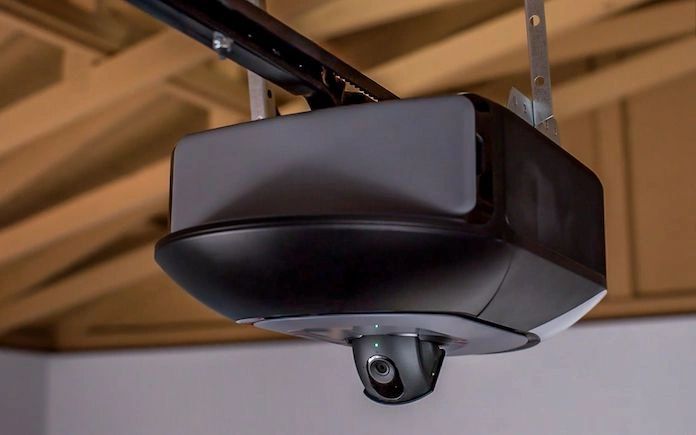
If you own a LiftMaster or Chamberlain garage door opener, you may have noticed the lights on the motor unit or wall control blinking in a certain pattern when something goes wrong. These blinking lights—often called “blink codes”—are your opener’s way of telling you exactly what’s wrong.
Understanding these codes can save you time, money, and frustration. Whether you’re in need of quick garage door repair, garage door opener repair, or even garage door spring repair, knowing what those blinks mean will help you decide whether it’s a DIY fix or time to call a professional.
In Troy, MI, and surrounding communities like Clawson, Birmingham, and Sterling Heights, homeowners often run into the same garage door issues. Let’s break down what those flashing lights are trying to tell you.
Why LiftMaster and Chamberlain Use Blink Codes
Modern garage door openers aren’t just motors with a button—they’re smart systems with sensors, safety mechanisms, and diagnostic features. When something isn’t right, the opener stores an error and communicates it through a sequence of flashes.
Think of blink codes like the “check engine” light in your car—except they’re more specific. Instead of just saying something’s wrong, they actually tell you what is wrong.
Common Blink Code Patterns and Their Meanings
Below, we’ll go over the most common blink codes found on LiftMaster and Chamberlain units. Keep in mind that your specific model may have a slightly different sequence, so it’s always smart to check your owner’s manual.
We’ll cover two main areas:
- Motor unit LED lights (often located near the “Learn” button)
- Safety sensor LED lights near the bottom of the garage door track.
1 Blink Code: Sensor Misalignment or Obstruction
If the light on your opener blinks once, pauses, then blinks again repeatedly, the issue is usually with the safety sensors.
Possible Causes:
- One or both sensors are out of alignment.
- Dirt, dust, or cobwebs are blocking the sensor beam.
- Sunlight interference at certain times of day.
- Loose wiring connection to the sensors.
DIY Fix:
- Make sure each sensor’s LED light is solid, not blinking.
- Clean the lenses with a soft cloth.
- Adjust the sensors until the LEDs stop flickering.
- Check wiring for damage or loose connections.
When to Call for Garage Door Repair Near Me (Troy MI): If you’ve tried cleaning and aligning and the issue persists, the wiring or sensors may need replacement. A local garage door opener repair technician can test the voltage and replace parts as needed.
2 Blink Code: Broken or Loose Sensor Wire
Two blinks usually mean the safety sensor wires are disconnected or damaged.
Possible Causes:
- Rodents chewing through wires.
- Lawn equipment accidentally cutting the wires.
- Loose screw terminals on the opener.
DIY Fix:
- Inspect the wires from the opener to each sensor.
- Reattach any loose wires under the screw terminals.
- Replace damaged wires using 22-gauge garage door wire.
Professional Tip: If the wiring inside the opener is damaged, you’ll need a garage door opener repair specialist. Internal wiring repairs require knowledge of the opener’s circuit board.
3 Blink Code: Shorted or Miswired Control Wire
Three blinks often point to an issue with the control button wiring.
Possible Causes:
- A staple through the wire causing a short.
- Incorrect wiring to the wall button or console.
- Corroded or damaged wire ends.
DIY Fix:
- Disconnect the wall button from the opener.
- Check wiring continuity with a multimeter.
- Replace the wire if damaged.
4 Blink Code: Sensor Alignment Lost During Travel
If your opener starts moving but then stops and the lights blink four times, it means the sensor connection was lost mid-cycle.
Possible Causes:
- Loose wire at the opener or sensor.
- Sensors mounted loosely and vibrating out of place.
- Electrical interference from nearby devices.
DIY Fix:
- Tighten sensor brackets.
- Secure all wiring with insulated staples.
- Re-test the opener.
5 Blink Code: RPM Sensor Issue
Five flashes often mean the RPM sensor on the motor shaft isn’t giving correct feedback.
Possible Causes:
- Faulty RPM sensor.
- Loose or damaged wiring to the sensor.
- Worn motor gear disrupting sensor readings.
When to Call a Pro: This is a job for a garage door opener repair expert in Troy MI. The RPM sensor is inside the opener housing and requires careful disassembly.
6 Blink Code: Motor Overheating or Force Limit Reached
Six flashes generally mean the motor overheated or the force limit was reached before the door completed its cycle.
Possible Causes:
- Garage door springs out of balance.
- Binding in the door tracks.
- Over-tightened force settings.
DIY Fix:
- Check the door’s balance by disconnecting it from the opener and lifting it manually—it should stay halfway open without falling or shooting up.
- Lubricate hinges, rollers, and tracks.
- Adjust force settings per your manual.
When to Call for Garage Door Spring Repair: If your door feels heavy, the springs may be broken or worn. This is dangerous to repair yourself—garage door spring repair should only be done by trained technicians.
7 Blink Code: Logic Board Error
Seven flashes often mean a logic board failure. This is the “brain” of your opener.
Possible Causes:
- Power surges.
- Age-related component failure.
- Water damage from leaks.
Fix:
- Sometimes unplugging the opener for 30 seconds resets it.
- If the code returns, the logic board likely needs replacement.
Safety Sensor LED Indicators
Your safety sensors have their own built-in LEDs, and these can also give you valuable clues.
- Solid Green/Amber: Working correctly.
- Blinking: Misaligned or obstructed.
- No Light: No power to the sensor—check wiring or replace.
Why Blink Codes Matter for Troy, MI Homeowners
In the Troy area, we see seasonal factors that can cause certain codes to pop up more often:
- Winter: Cold weather can cause metal to contract, slightly shifting sensors out of alignment. Ice and snow can also block the beam.
- Spring/Summer: Direct sunlight into the sensors at specific angles can cause intermittent failure.
- Year-Round: Rodents in garages can chew through wires, especially in older homes.
When to Call a Professional
While some blink codes have simple DIY fixes, others require a professional for safety and efficiency. If you’re Googling “garage door repair near me” from Troy MI or nearby areas, here’s when you should pick up the phone:
- Multiple codes appearing at once.
- You’ve fixed the wiring but the code persists.
- Broken springs or cables.
- Logic board or motor replacements.
- RPM sensor errors.
How Garage Door Pros in Troy MI Handle Blink Code Repairs
When you call for garage door opener repair, a trained tech will:
- Run a diagnostic: Confirm the blink code and test related components.
- Inspect the entire system: Sometimes the root cause is mechanical, not electrical.
- Test door balance: If springs are weak, they’ll add strain to the opener.
- Verify safety systems: Ensuring your sensors, travel limits, and force settings are safe.
This ensures your door runs smoothly and safely for years to come.
Preventing Future Blink Codes
The best way to avoid seeing those flashing lights is to keep your system in top shape.
Annual Maintenance Tips:
- Have a garage door repair pro check your springs, cables, and opener.
- Lubricate moving parts every 3–6 months.
- Keep sensor lenses clean.
- Test door balance twice a year.
In Troy, MI, regular maintenance also helps your door stand up to harsh winters and hot, humid summers.
Final Thoughts
Those flashing lights on your LiftMaster or Chamberlain opener aren’t random—they’re a built-in guide to help you figure out what’s wrong. Understanding blink codes means you can either fix the issue quickly yourself or give your garage door opener repair pro the exact information they need.
If you’re in Troy MI or nearby communities and need help right away, search for “garage door repair near me” and look for a trusted local company that handles garage door spring repair, opener diagnostics, and full-system maintenance.
A well-maintained garage door system not only keeps your home secure but also extends the life of your opener—keeping those blinking lights off for good.